
Category: Blogging
-

Dynamic Difficulty Through Machine Learning Dynamic Difficulty Through Machine Learning represents one of the most practical near-term applications of AI in modern game development. Rather than relying on predefined difficulty tiers selected by players at the start, machine learning enables systems to observe, analyze, and adapt challenge levels continuously during gameplay. This approach aims to…
-

Can AI Make Games More Human? In the evolving landscape of game development, a central question persists: Can AI make games more human? As studios integrate machine learning, generative models, and adaptive systems into their pipelines, the technology often promises efficiency and scale—but its deeper potential lies in recreating qualities that feel inherently human, such…
-
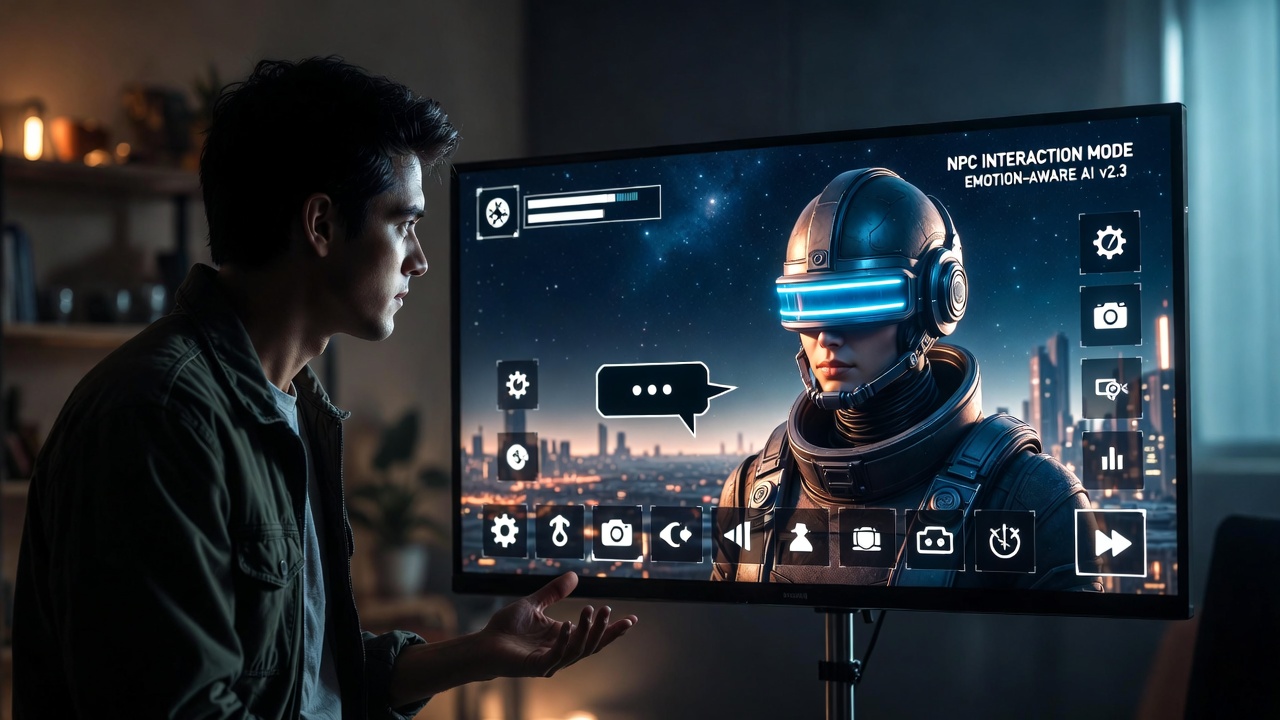
Emotion-Aware NPCs: Science Fiction or Near-Term Reality? Emotion-aware non-player characters (NPCs) have long been a staple of science fiction, from the empathetic androids in Blade Runner to the emotionally complex companions in Mass Effect. These characters respond not just to player actions but to inferred emotional states, creating interactions that feel deeply personal and responsive.…
-
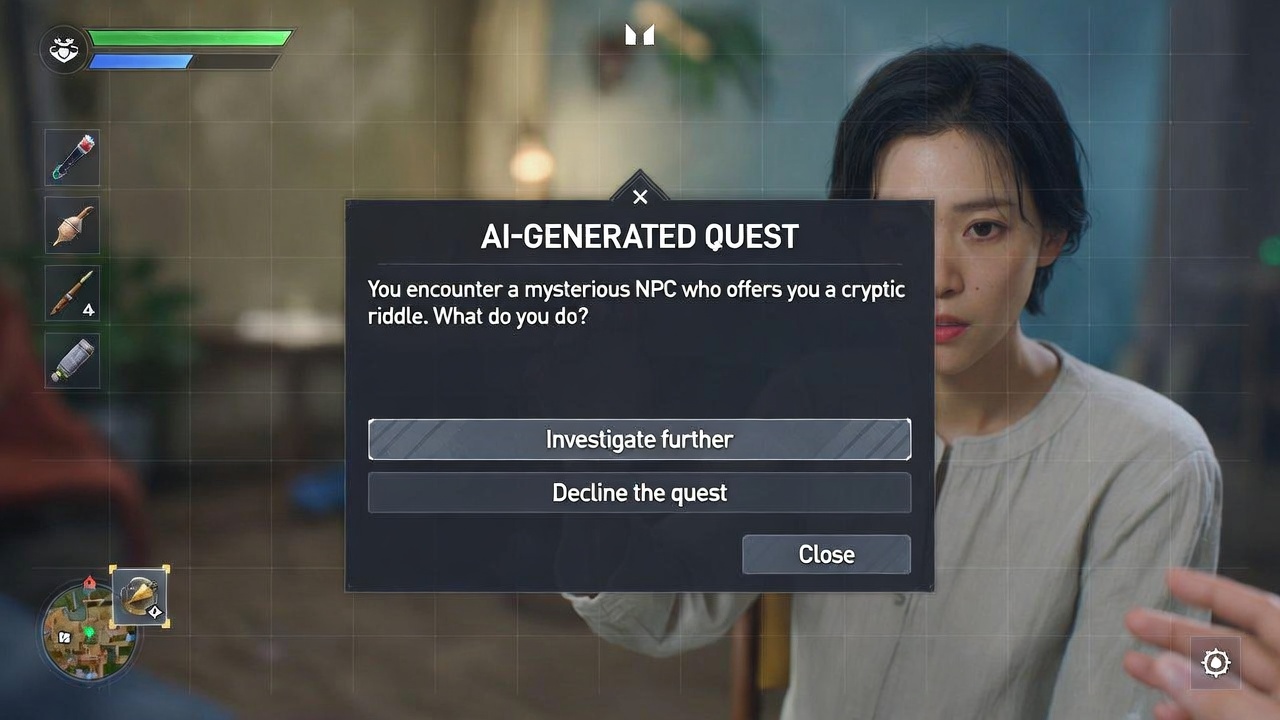
AI-Generated Quests: Endless Content or Creative Risk? AI-Generated Quests: Endless Content or Creative Risk? represents one of the most discussed applications of machine learning in modern game development. As studios explore ways to extend replayability without exhaustive manual design, AI-driven quest generation promises scalable, varied content. Yet it also introduces questions about narrative coherence, player…
-

Designing Games That Learn From Players in Real Time In the evolving landscape of game development, systems that adapt based on player input have shifted from novelty to expectation. Designing games that learn from players in real time represents one of the most promising applications of machine learning in interactive entertainment. These systems observe behavior…
-
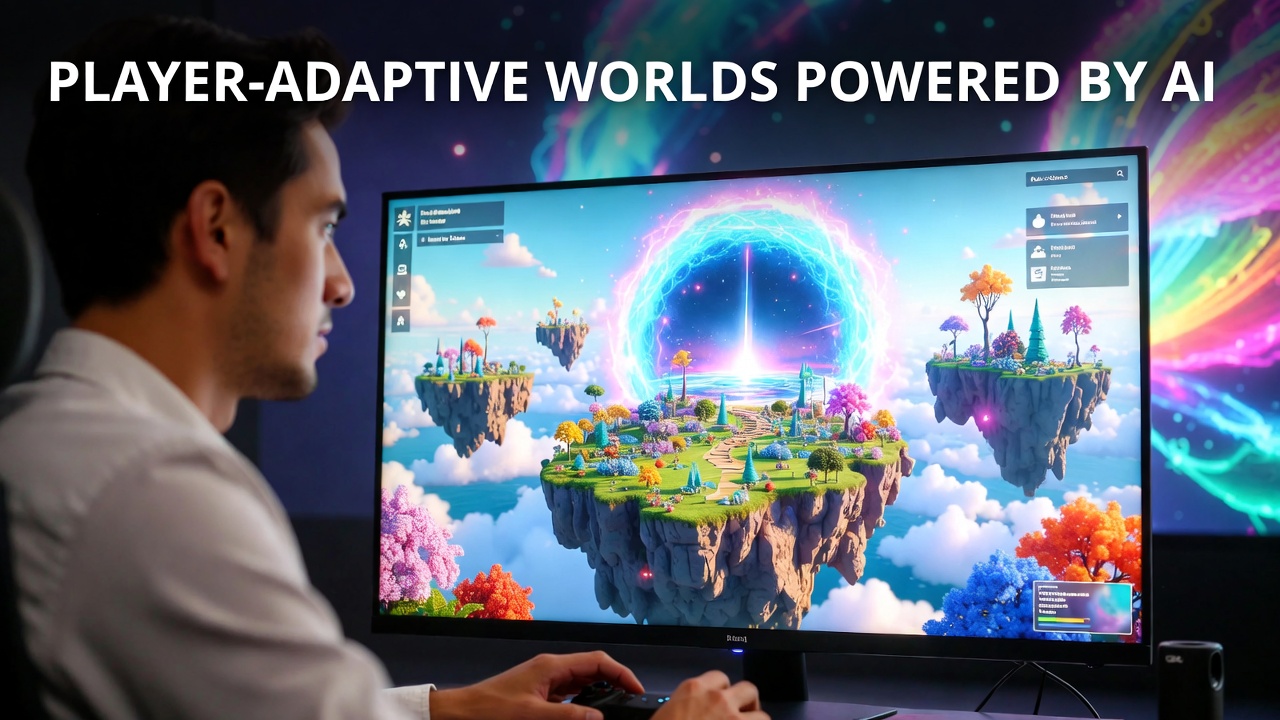
The Rise of Player-Adaptive Worlds Powered by AI In 2026, game worlds no longer need to remain fixed blueprints that every player experiences identically. The rise of player-adaptive worlds powered by AI marks a fundamental shift: environments, systems, and narratives that evolve in direct response to individual or collective player behavior. This capability moves beyond…
-

AI as a Co-Designer: Where Human Creativity Still Wins AI as a Co-Designer: Where Human Creativity Still Wins represents one of the most balanced and realistic applications of artificial intelligence in modern game development. As tools evolve rapidly in 2026, studios increasingly integrate AI into creative pipelines not to replace designers, but to augment their…
-

Procedural Storytelling With AI: Beyond Branching Dialogue Procedural Storytelling With AI: Beyond Branching Dialogue represents one of the most promising yet challenging frontiers in modern game development. Traditional narrative structures in games have long relied on pre-authored branching dialogue trees, scripted events, and fixed quest lines. While effective for delivering polished experiences, these approaches inherently…
-
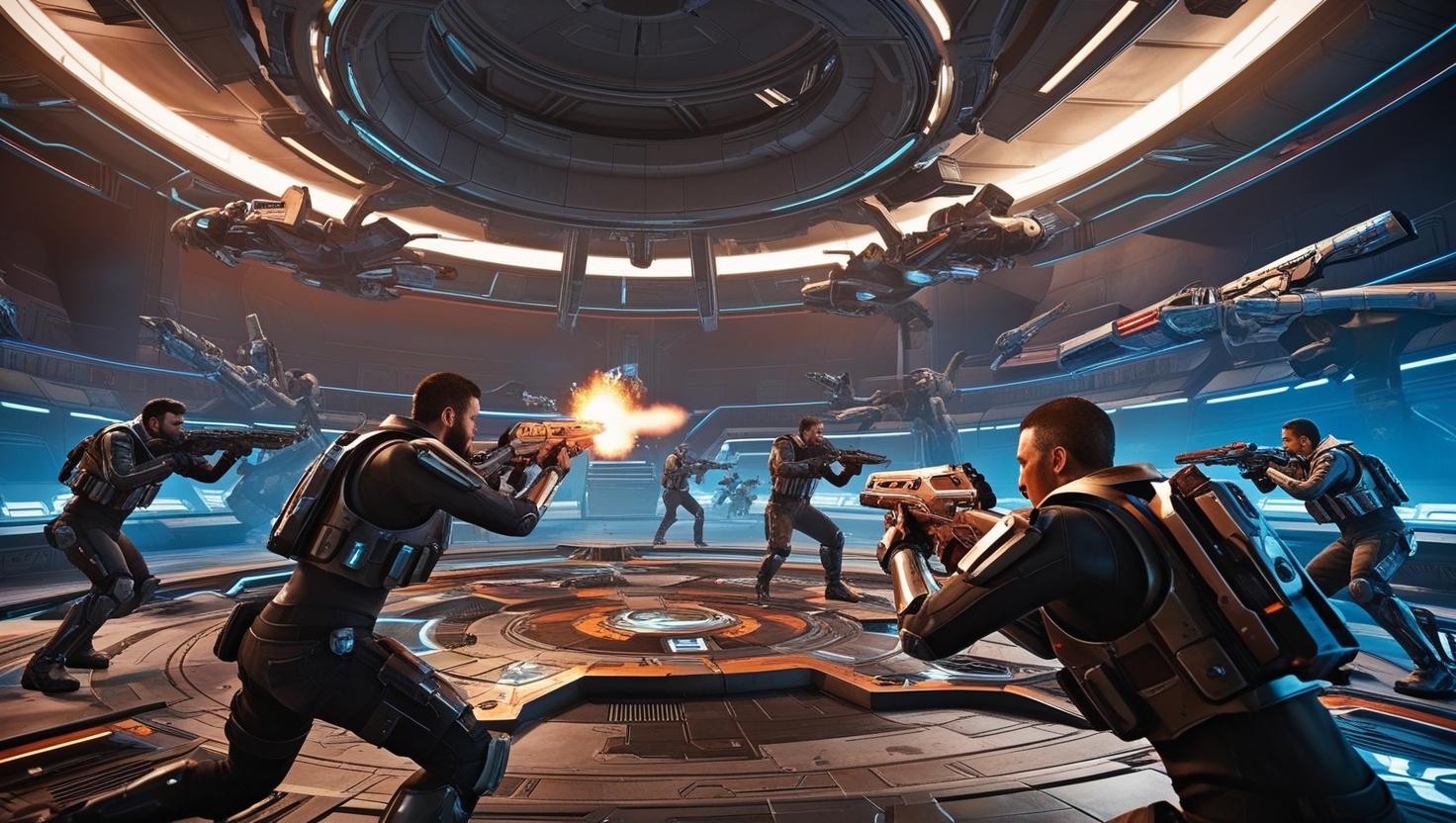
How AI Is Reshaping Game Design From Concept to Launch How AI Is Reshaping Game Design From Concept to Launch. In 2026, game design is undergoing a fundamental transformation driven by advances in artificial intelligence. What once required months of manual iteration across concept sketches, prototyping, and refinement can now incorporate AI at every stage,…
-

Player Retention Definition Player Retention Definition is one of the most critical metrics in video game development, determining the long-term success and profitability of any gaming product. Understanding what player retention means, how to measure it, and why it matters can make the difference between a thriving game and one that quickly fades into obscurity.…