
Category: Blogging
-

AI Voice Generation for Games: Pros, Cons, Ethics In 2026, voice generation powered by AI has transitioned from experimental demos to viable production tools in game development. Studios now integrate these systems into dialogue-heavy titles, multiplayer experiences, and procedural narratives. AI Voice Generation for Games: Pros, Cons, Ethics examines the practical realities of deploying such…
-

AI Animation Tools Every Game Developer Should Watch AI Animation Tools Every Game Developer Should Watch represent one of the most immediate and tangible shifts in modern game production pipelines. In 2026, animation remains one of the most labor-intensive disciplines in game development, often accounting for 20–40% of total art production time depending on project…
-
Building an AI Tool Stack for Modern Game Development Building an AI tool stack for modern game development has become a strategic necessity in 2026. Studios no longer experiment with isolated AI features; they integrate cohesive pipelines that address multiple production stages simultaneously. This approach reduces context switching, minimizes data silos, and enables iterative workflows…
-
Where AI Tools Still Fall Short for Game Studios In 2026, AI integration in game development has moved beyond experimentation into standard workflow components for many studios. Tools for asset generation, animation assistance, and procedural content fill important roles in accelerating production. Yet significant limitations persist that prevent AI from fully replacing or even consistently…
-
AI Tools That Actually Save Time in Game Development AI Tools That Actually Save Time in Game Development remain a practical priority for studios navigating tight schedules and rising production demands. In 2026, the gap between experimental AI prototypes and production-ready tools has narrowed considerably. The focus has shifted from flashy demos to measurable efficiency…
-
Best AI Tools for Worldbuilding This Year Worldbuilding forms the foundation of immersive games, especially in genres such as open-world RPGs, sci-fi adventures, and simulation titles. In 2026, AI tools have matured to support this phase more effectively than ever, moving beyond simple texture or concept generation to assist with coherent lore, geography, cultures, ecosystems,…
-
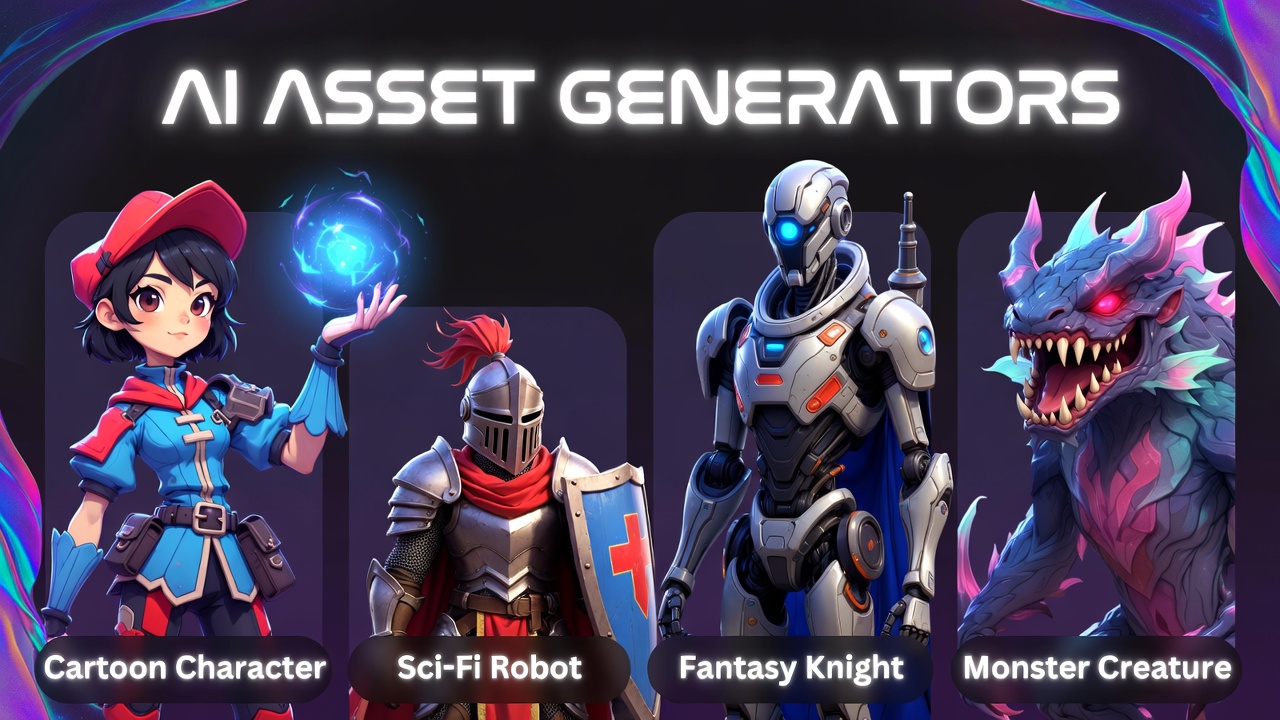
Comparing AI Asset Generators for Game Production In 2026, asset generation stands as one of the most transformed areas in game development thanks to AI. Studios of all sizes now rely on AI asset generators to accelerate concepting, prototyping, and even final production stages for 2D sprites, 3D models, textures, environments, and animations. Comparing AI…
-
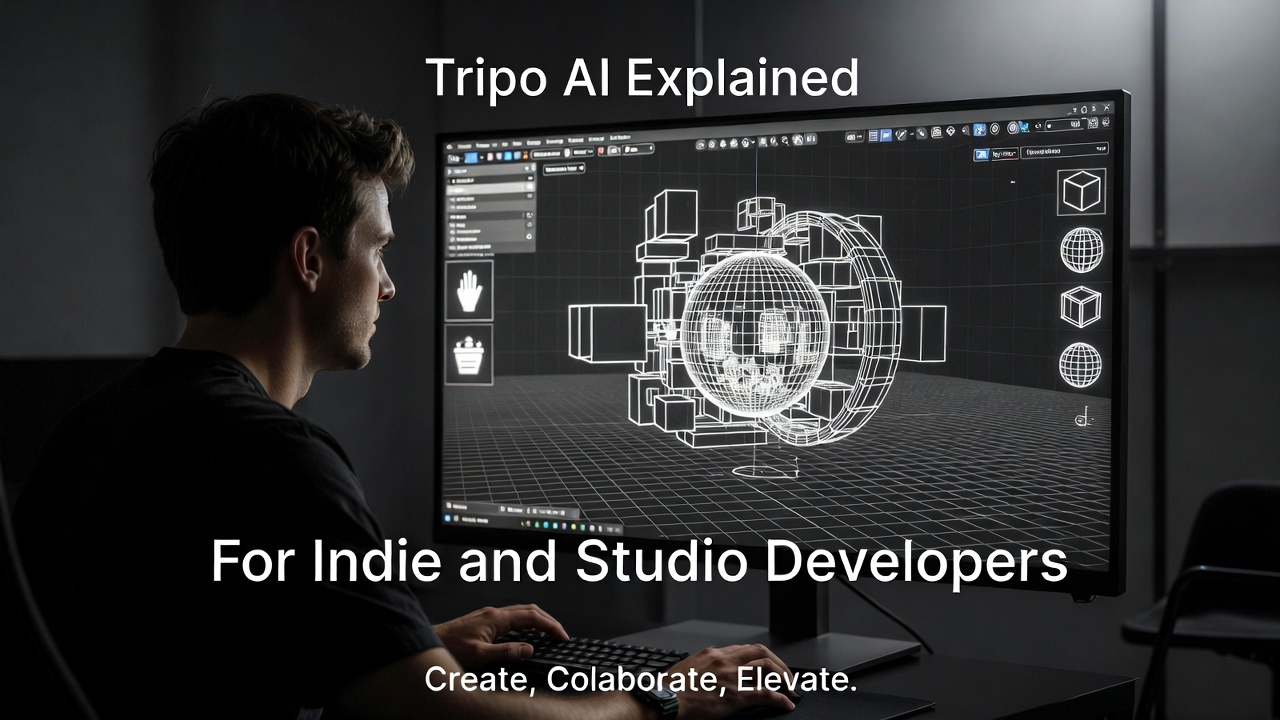
Tripo AI Explained for Indie and Studio Developers Tripo AI Explained for Indie and Studio Developers remains a practical entry point into modern asset creation workflows in 2026. As game development increasingly integrates generative AI, tools like Tripo AI offer studios and independents a way to accelerate 3D asset production without traditional modeling bottlenecks. Tripo…
-

Ludus AI: What It Gets Right for Game Dev Pipelines In 2026, game development pipelines increasingly integrate specialized AI tools to address longstanding bottlenecks in asset creation, iteration, and production scaling. Among the emerging platforms, Ludus AI stands out for its targeted focus on streamlining workflows rather than attempting to replace entire creative processes. This…
-

AI and the Death of Static Game Worlds AI and the Death of Static Game Worlds marks a pivotal shift in how games are conceived, built, and experienced. For decades, game worlds have been fundamentally static: hand-crafted environments with fixed layouts, predetermined events, and scripted interactions that remain identical across every playthrough. While this approach…